
A burst supply line, a failed water heater, or a monsoon storm that finds a weak spot in the roof can turn a normal day upside down. If you are dealing with water damage in St. George right now, the next 24 hours matter more than any others. Here is a calm, hour-by-hour checklist for what to do, what to skip, and when to bring in help.
Hour 0-1: Get Safe, Then Stop the Water
Make sure everyone is safe
Before you grab towels, stop and look at the situation. Water and electricity are a dangerous mix, and wet ceilings can be heavier than they look.
- Stay out of standing water if it is near outlets, power strips, appliances, or an electrical panel.
- Watch the ceiling. A sagging or bulging ceiling can hold a lot of water. Keep people and pets out from under it.
- Get kids, pets, and anyone with breathing sensitivities out of the affected rooms.
- If you smell gas or see sparks, leave the house and call the gas company or 911 from outside.
Shut off the water and the power
The fastest way to limit damage is to stop more water from coming in.
- Shut off the main water valve. In many St. George homes it is in the garage, near the water heater, or where the line enters the house. Find yours before you ever need it.
- Turn off the water heater if it is the source, and shut off its cold supply valve.
- Turn off power to wet areas at the breaker panel, but only if you can reach the panel without standing in water.
- If the roof is leaking during a storm, put buckets under drips and move belongings away. Do not climb on a wet tile or shingle roof. Our post on emergency roof repair in St. George covers what to expect.
Hours 1-3: Photograph Everything for Insurance
Before you move or throw anything away, document it.
- Take wide shots of each room, then close-ups of damaged flooring, baseboards, drywall, cabinets, and ceilings.
- Photograph the source if you can see it: the split supply line, the leaking water heater, the stained ceiling under the roof.
- Photograph damaged belongings before you move them to a dry spot. Keep receipts for anything you buy to protect the home, like fans or tarps.
- Write down a timeline: when you noticed the water, when you shut it off, and who you called.
Then call your insurance company to report the loss. Our insurance specialist and advocacy team can help you understand your coverage before work begins and coordinate with your adjuster.
Hours 3-12: Get Water Out and Air Moving (Safely)
If the water came from a clean source, like a supply line, and the area is small, there are a few things you can do while you wait for help:
- Mop or wet-vac standing water from hard floors.
- Set furniture legs on foil or wood blocks.
- Move rugs, electronics, photos, and important papers to a dry room.
- Open interior doors and run the AC to help pull moisture from the air.
Know what kind of water you have. Category 1 is clean water from a supply line. Category 2 carries some contamination, like dishwasher or washing machine discharge. Category 3 is grossly contaminated, like sewage backup or outside floodwater. If it is Category 2 or 3, don’t try to clean it up yourself. Keep people out and call for professional water damage cleanup.
What NOT to do after water damage
- Don’t use a household vacuum on water. It is an electrical hazard.
- Don’t throw out damaged items before they are photographed and your insurer says it’s okay.
- Don’t assume it’s dry because it looks dry. Water wicks up drywall and soaks under flooring, behind cabinets, and into wall cavities. Our dry desert air helps surfaces dry fast, which can hide moisture that is still trapped inside.
- Don’t wait. Mold can start growing in 24-48 hours, even in St. George.
Hours 12-24: When to Call a Water Damage Professional
A small spill you caught right away might be fine with towels and fans. Call a professional if any of these are true:
- Water soaked into carpet pad, subfloor, drywall, or cabinets.
- The water came from a sewer line, toilet overflow, or outside flooding.
- A ceiling is stained, sagging, or dripping.
- Water sat for more than a few hours before you found it.
- You smell something musty, or plan to file an insurance claim.
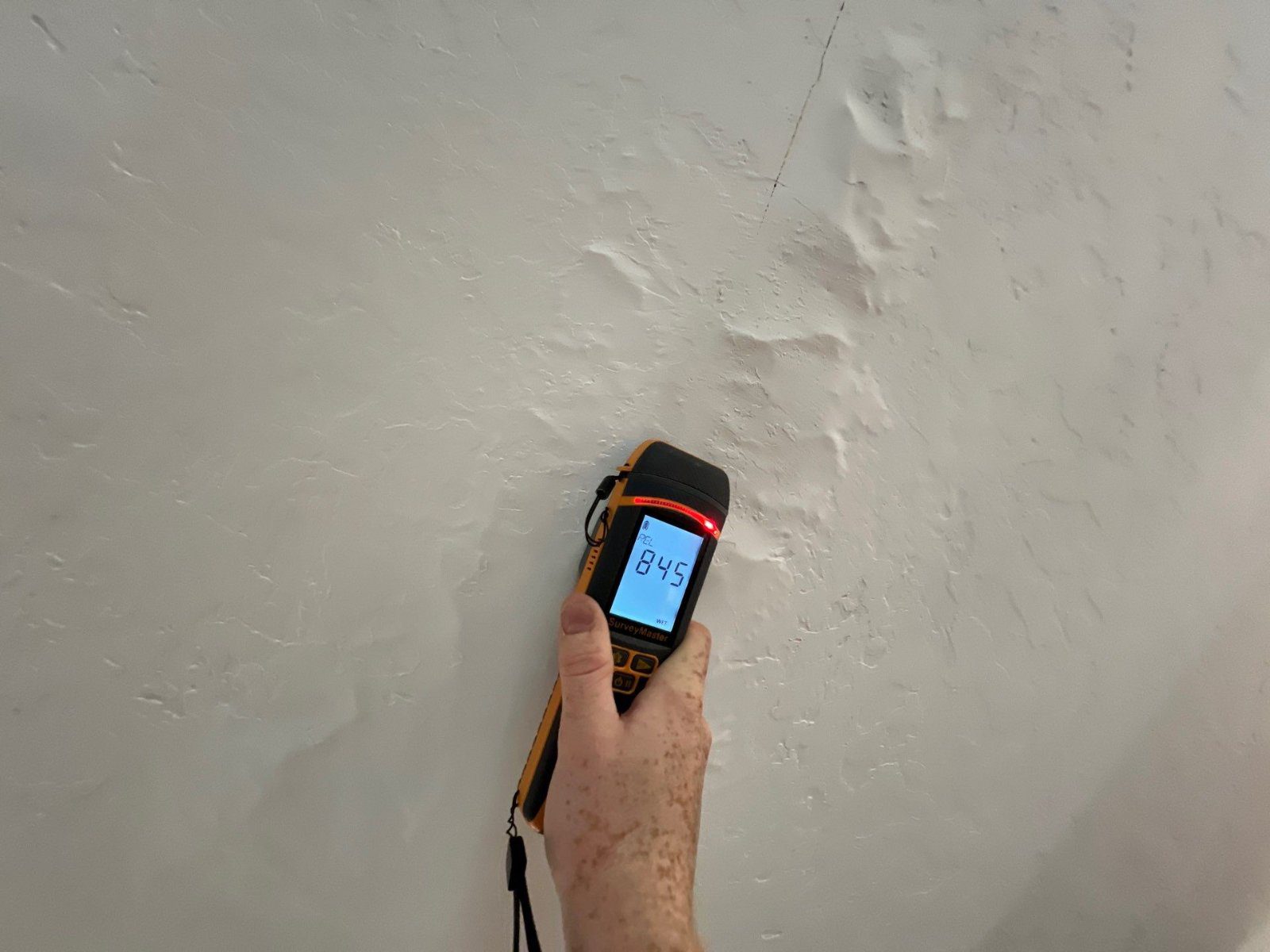
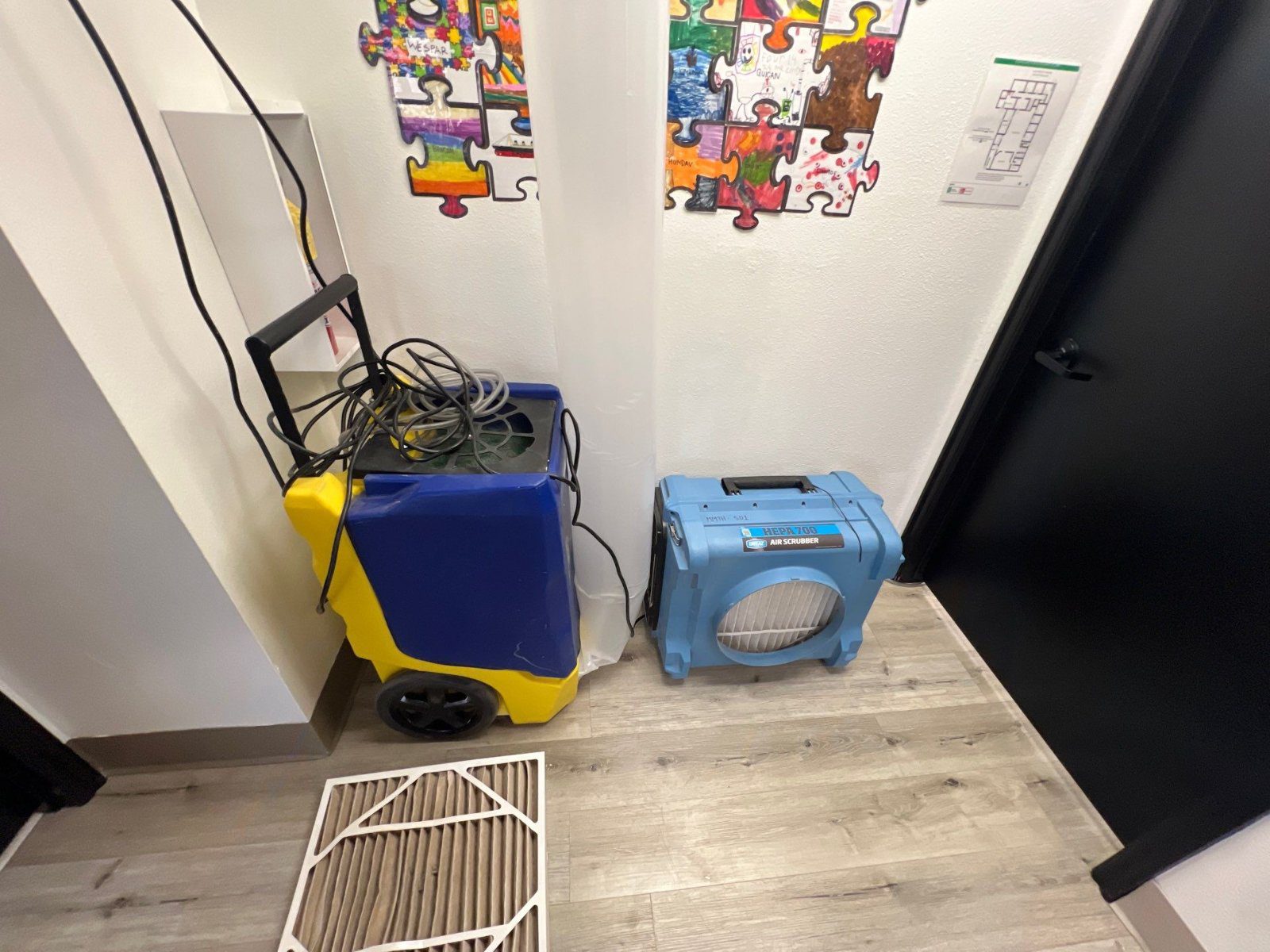
Professional water damage restoration in St. George uses moisture meters and thermal imaging to find water you can’t see, then sets up commercial dehumidifiers and air movers for structural drying. As an IICRC Certified Firm, we follow industry drying standards (IICRC S500) and check moisture readings until materials are actually dry. Most drying takes 3-7 days depending on how severe the loss is and what materials got wet.
Why One Contractor for Drying and Rebuild Matters
Many companies only handle mitigation. They dry the house, then leave you to find someone else to replace drywall, flooring, cabinets, or the roof that caused the leak. That gap adds time and stress.
Mammoth Builders Roofing and Restoration dries the structure and rebuilds it, including the roof, under one contract. Our water damage restoration work covers extraction, drying, and repairs from start to finish. With 25+ years of experience in Southern Utah, we serve St. George, Washington City, Hurricane, Ivins, Santa Clara, and the rest of Washington County. See all of our restoration services.
Frequently Asked Questions
How fast should I deal with water damage in St. George?
Right away. Stop the water, make the area safe, and document the damage within the first few hours. Mold can start growing in 24-48 hours, even in our dry climate, so getting materials dried quickly matters.
How long does it take to dry out a house after water damage?
Most water damage drying takes 3-7 days depending on how severe the loss is and which materials got wet. Moisture readings, not appearance, should decide when drying is finished.
Should I call my insurance company or a restoration company first?
Make the home safe and stop the water first. Then report the loss to your insurer and call a restoration company. Both can happen the same day. We document visible and hidden damage, prepare detailed reports, and coordinate with your adjuster.
Can I dry out water damage myself?
A small amount of clean water caught right away can often be handled with towels, a wet-vac, and airflow. If water reached carpet pad, drywall, subfloor, or cabinets, or if it came from a contaminated source, professional drying is the safer choice.
Do you handle water damage emergencies at night or on weekends?
Yes. We answer 24/7, including nights, weekends, and holidays, and we are often on site the same day. Call (435) 429-2688.
Water Damage Right Now? Call Mammoth 24/7
If you have water damage in St. George or anywhere in Southern Utah, you don’t have to figure it out alone. Learn more about our St. George water damage restoration service. Call (435) 429-2688 any time, day or night, or request a free inspection. We’ll find the water, dry it out, and put your home back together.